Moving a vehicle isn’t hard because of the driving, it’s hard because of the unknowns. If you’ve never shipped a car before, the maze of brokers, carriers, insurance limits, and timelines can be disorienting. Dallas adds its own quirks: sprawling metro distances, traffic patterns that punish poor timing, hail season that can turn a normal day into a claims headache, and a high volume of demand around college semesters and corporate relocations. Working with Dallas auto shippers can be smooth and cost effective, but it rewards those who vet carefully and plan with discipline. I’ve learned that the preventable errors tend to be the same, year after year. Avoid them, and you’ll save money, time, and aggravation.
The Dallas Dynamics That Shape Your Choices
Dallas is a major logistics hub, which is both a blessing and a trap. The blessing: there are plenty of reputable Dallas car shippers who move thousands of vehicles a year across the I-35, I-20, and I-45 corridors. The trap: because there’s so much volume, it’s easy for inexperienced brokers to overpromise or for low-quality carriers to blend in. On popular routes like Dallas to Houston or Dallas to Phoenix, prices look competitive, but on less common routes, a rate that seems cheap on paper can actually delay pickup by days because carriers won’t accept underpriced loads.
Seasonality matters more here than many realize. Late spring and early fall see spikes as students move and corporate relocations peak. Winter introduces hail risk, especially during certain storm systems that sweep the Metroplex. If you have a high-value vehicle and you’re choosing between open and enclosed transport, this local weather pattern should weigh into your decision more than it might in other markets.
Finally, pickup and drop-off logistics in Dallas need thought. If you live near an older neighborhood with tight streets or low-hanging trees, a 75-foot loaded hauler won’t squeeze in. Even in suburbs with wide roads, HOA gate codes and time restrictions can add friction. Good Dallas vehicle shippers anticipate this, but only if you give them the specifics upfront.
Mistake 1: Treating Brokers and Carriers as the Same
When you search for Dallas auto shippers, you’ll meet two kinds of companies. Carriers own the trucks and employ the drivers. Brokers coordinate the shipment and contract a carrier on your behalf. Both can be legitimate. Problems arise when a broker markets like a carrier, then disappears once the truck is assigned, or when a carrier takes a job outside its normal lanes and struggles to meet the schedule.
A disciplined way to approach this is to ask who exactly will be responsible on pickup day. If the company is a broker, you want to know how they vet carriers, what their minimum insurance thresholds are, and whether they share the carrier’s DOT and MC numbers before pickup. If the company is a carrier, you want to know their lanes, fleet size, whether they use in-house drivers or rely on a dispatch network, and how they handle coverage gaps.
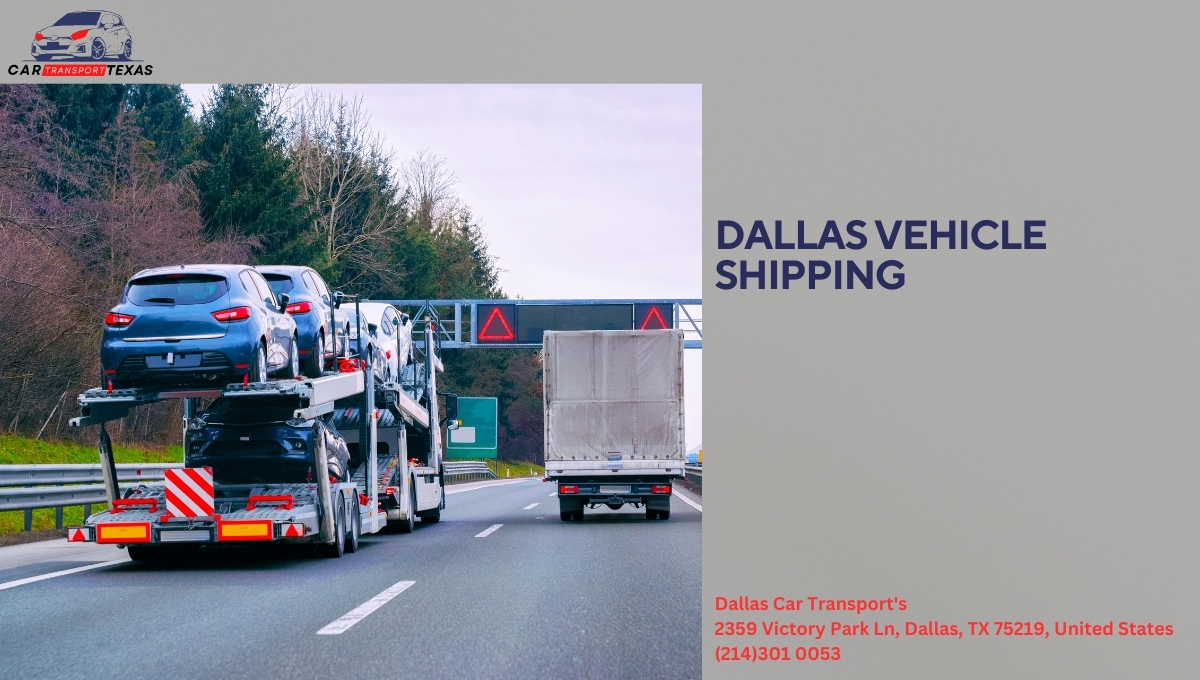
I worked with a client in Uptown who accepted the lowest quote and believed he’d hired an in-house fleet. Two days before departure, the “carrier” assigned a subcontractor from out of state who didn’t know Dallas traffic patterns and missed the pickup window by four hours. The car still moved, but the client had to scramble to adjust elevator reservations at his condo garage. A ten-minute verification call on day one would have avoided it.
Mistake 2: Chasing the Cheapest Quote
A low rate feels like a win until your vehicle sits on a dispatch board for a week. Pricing in auto transport is not retail. It behaves more like a bid marketplace where carriers accept loads that make sense within their route and schedule. A quote significantly under the regional average often means the broker hopes a carrier will take a skinny margin or fill last-minute space. That sometimes works on high-traffic corridors, but in Dallas it often translates into unpredictable pickup times.
Look for transparency. If a quote is low, ask what assumptions they used: pickup window flexibility, exact addresses, whether the car runs, and whether there are modifications like lowered suspensions or roof racks. A reputable broker will walk you through how those inputs feed into carrier acceptance rates. If they wave it off with “we’ll get it done,” consider that a warning flag.
I typically advise clients to think in ranges. For example, a Dallas to Atlanta open transport might sit around a certain mid-range price most weeks. If you get a quote 20 percent below that, you should be ready to trade time certainty for cost. If you have a narrow move-out date or a building loading dock reservation, that discount can evaporate fast.
Mistake 3: Ignoring Insurance Nuances
Most shippers say they’re “fully insured,” but that phrase doesn’t mean what customers think. Carrier cargo insurance varies, and brokers don’t insure your car by default. Carriers often hold policies that cover damage they cause, but not acts of nature, and certainly not personal items inside the car. Deductibles and exclusions can be substantial.
Ask for these specifics before booking:
- The carrier’s cargo insurance limit per vehicle, including deductible and any exclusions that matter for Dallas, like hail. If you’re shipping a vehicle valued above that limit, you will want to discuss supplemental coverage. Proof of active coverage. A certificate of insurance is normal, but check the effective dates and the name on the policy. The inspection process. Proper condition reports at pickup and delivery are how claims get paid. If the driver rushes or avoids photos, stop the process and ask for a thorough walkthrough.
If your car is a collector piece or simply new and costly, consider enclosed transport during hail-prone months in North Texas. Yes, it costs more. In my experience, the extra spend is marginal compared to the potential repair drama when a fast-moving storm drops quarter-sized hail across a packed open trailer on the Stemmons Freeway.
Mistake 4: Not Preparing the Vehicle for Driver Realities
I once shadowed a driver on summer pickups through Plano, Irving, and Oak Cliff. Temperatures hit triple digits, traffic crawled, and each extra minute per stop compounded into an hour behind schedule by afternoon. The worst delays came from preventable issues: cars with low tires, dead batteries, or trunks packed with loose boxes that violated insurance rules.
Preparation helps both sides. A clean car reveals pre-existing scratches during inspection. Removing personal items avoids coverage disputes and weight surprises. A car that starts reliably can be driven onto the trailer quickly, which matters when the driver is negotiating tight turns on residential streets. If your vehicle has low ground clearance, Dallas car transportation services tell the shipper early, so a carrier with ramps or liftgates is assigned. Surprises at curbside become delays, and delays tempt shortcuts. You don’t want shortcuts in vehicle loading.
Mistake 5: Glossing Over Pickup and Delivery Constraints
Dallas neighborhoods range from wide suburban boulevards to tight urban corridors. Many carriers run 48- to 53-foot trailers and need room to turn. If your address is tricky, plan a meet-up at a nearby shopping center or a wide street the driver prefers. Good Dallas car shippers suggest these sites based on experience with local traffic and ordinances.
High-rise garages bring another layer. Security desks often require proof of insurance ahead of time, loading docks may need reservations, and some places restrict large vehicles after business hours. Share these requirements early. If a location doesn’t allow tractor-trailers, arrange an alternate street-side exchange or a secondary location. A short, well-planned handoff beats a frustrating standoff with building management at 6 p.m.
Mistake 6: Misreading Timing Windows
Transport quotes usually show a pickup window, not a fixed appointment. Dallas traffic and weather add variability that the best dispatchers can’t fully control. If your schedule is rigid, ask whether a premium window is available. Sometimes paying a modest expedite fee tightens the pickup day and reduces stress. If you have flexibility, it’s easier to match with a truck already moving through the Metroplex.
Think about return communication speed too. If the dispatcher texts you on a Friday morning to say the carrier rolled early and can be at your place by afternoon, quick confirmation helps you secure your spot. Slow replies sometimes push you to the next day’s route, especially during peak weeks.
Mistake 7: Overlooking Reputation Signals That Actually Matter
Online reviews are messy, but patterns help. Don’t just scan star ratings. Read the detailed negative reviews and look for substance. One angry paragraph about a missed pickup isn’t definitive. Three separate notes that mention bait-and-switch pricing or lack of carrier disclosures are more telling. High volume operations will always have a few unhappy customers. You want to see how the company responds, whether they offer specifics, and whether complaints cluster around the same issue.
Licensing and identifiers matter. Carriers have DOT and MC numbers. Brokers have an MC number for brokerage authority. Verify those in public databases. Confirm years in operation, and whether their business name matches what appears on your bill of lading. Reputable Dallas auto shippers won’t hide behind multiple shell names. Shippers that are proud of their compliance tend to send these details before you ask.
Mistake 8: Leaving Special Vehicles to Standard Processes
Performance cars, lowered suspensions, oversized tires, roof racks, and aftermarket spoilers complicate loading angles and clearances. Even larger SUVs with rear-mounted spares may require specific spots on a trailer to avoid overhang issues. When left unmentioned, these details slow the process and create risk.
For high-end vehicles, I prefer enclosed carriers with soft straps instead of chains, and drivers who load fewer cars per trip. For modified cars, I ask for trailers with extended ramps and to avoid top-front positions where wind buffeting is highest. None of this is exotic for the right carrier, but it needs to be requested. A good broker in Dallas will know which carriers handle these needs routinely on Texas lanes.
Mistake 9: Assuming All “Door-to-Door” Service Is Literal
Door-to-door is more of a principle than a guarantee. It means the driver will get as close as is safely possible. In older Dallas neighborhoods with big oaks and tight corners, that might be a block or two away. In gated communities, it might be the clubhouse parking lot. Ask your shipper how they define it. Ask where they typically meet in your zip code. If their answer is vague, press for specifics. The clearer the plan, the smoother your experience.
I’ve seen drivers spend 30 extra minutes trying to finesse an approach to a narrow cul-de-sac, only to circle back to a main road anyway. Everyone is happier if that plan is made upfront, especially on hot days when idling equals wasted fuel and tempers shorten.
Mistake 10: Not Accounting for Weather and Hail
North Texas weather can pivot quickly. An open carrier that loads under blue skies at 10 a.m. can face a hail cell by lunchtime. While carriers try to route around storms, schedules and Hours of Service rules put limits on detours. If shipping during peak storm months, discuss contingency plans. Some Dallas vehicle shippers will move your car under covered staging if a storm is imminent, or delay pickup by a day at no cost if safety is a concern. Not all can offer that flexibility. Ask.
If you insist on open transport for a high-value car during storm season, take detailed pre-pickup photos in good light and consider a breathable, transport-rated cover. Make sure the carrier allows it and will secure it properly. Not every driver will, because flapping fabric can damage paint. This is one of those judgment calls that benefits from a frank, early conversation.
Mistake 11: Failing to Clarify Payment Terms and Fees
Auto transport involves a mix of deposits and delivery balances. Some companies take a small booking fee and collect the remainder on delivery by certified funds. Others collect in full upfront. Neither is inherently wrong, but ambiguity breeds mistrust.
You want to know:
- Exact deposit amount and whether it is refundable if the pickup window isn’t met. Accepted payment methods at delivery. Many drivers prefer certified checks or cash because card processing on the road is unreliable. Any fees for storage, re-delivery, or waiting time if you miss your appointment.
I’ve seen customers assume credit cards would be accepted on-site, then scramble to find an ATM while the driver waits. Waiting time should be predictable and fair, but it is rarely free. Clear expectations save everyone from discomfort.
Mistake 12: Skipping A Thorough Inspection at Both Ends
The condition report is your leverage in the rare case of damage. A rushed inspection at pickup or delivery weakens your position. If the driver seems hurried, slow the process politely and take your own photos. Focus on bumpers, quarter panels, door edges, mirrors, and wheels. Photograph the roof, even on SUVs. At delivery, check under consistent light if possible. Note anything that changed on the bill of lading before signing.
A case I remember involved a tiny crease near a headlight that the driver missed at pickup. The owner’s photo library had a clean shot from that angle with timestamps from the day before. That image helped the carrier’s insurer accept the claim quickly. Ten extra seconds on the front end can save weeks of negotiation later.
Mistake 13: Booking Too Late for Peak Weeks
Dallas runs on schedules tied to schools, jobs, and leases. End-of-month Fridays fill quickly. If you’re shipping around those days, book earlier than you think. A week’s notice is usually fine for common routes in the middle of a month. For end-of-month or long-haul routes, aim for two to three weeks. Early booking gives brokers more flexibility to match you to a carrier already in Dallas, which often results in better pricing and timing.
If you have a date you cannot miss, tell the shipper your hard stop and ask how they will prioritize your load. Some will turn down the job rather than overpromise, which is the best answer you can get. Others will take it and hope. You want the first type of partner.
What Good Dallas Car Shippers Do Without Being Asked
The difference between a headache and a smooth experience often comes down to habits. The stronger companies in Dallas practice a few telltale behaviors. They verify addresses and ask about neighborhood constraints. They explain the pickup window candidly and offer a realistic first-available date instead of baiting you with an exact time they can’t control. They send carrier credentials before the truck arrives and encourage you to call dispatch directly on delivery day. They advise on open versus enclosed with weather in mind, not just budget. They ask whether your vehicle has low clearance, adaptive suspensions, or oversize accessories, and they document those details in the order.
They also respect the driver’s time. When a dispatcher checks in during the route to tighten the ETA window and confirm the meetup spot, it keeps the entire chain efficient. That efficiency shows up in your experience long before you see the trailer on your street.
When Open Versus Enclosed Isn’t Obvious
People tend to default to open carriers because of cost. That makes sense. Most vehicles travel open, and the vast majority arrive with no issues. But Dallas weather and certain vehicle types tilt the balance.
Enclosed transport makes sense if:
- Your car has sensitive paint, collectibles value, or rare trim that is hard to repair or replace. You are shipping during months when hail risk is heightened, and you can’t afford delay. You already plan to detail and inspect the vehicle at delivery and want to minimize cleanup and exposure.
If budget is the top constraint and you choose open, time your pickup to avoid forecast trouble, and avoid topping the trailer if you can. It isn’t always your choice, but a polite request at pickup sometimes helps, especially if your car’s dimensions give the driver options.
The Right Way to Compare Offers
If you collect a few quotes from Dallas auto shippers, strip them down to the parts that matter:
- Pickup window and estimated transit time, stated in days, not vague “soon” promises. Insurance details with numbers, not adjectives. If they say “full coverage,” ask how many dollars. Exact fees, deposits, and cancellation terms, especially for missed windows. Carrier disclosure timeline. You should receive the carrier’s name and numbers when assigned. Plan for tricky addresses, weather contingencies, and communication updates on day of pickup and delivery.
If two offers are close in price, choose the one that demonstrates operational clarity. It’s the difference between an easy handoff and a day of voicemail tags.
A Short Case Study: Two Similar Moves, Two Very Different Experiences
Two clients in north Dallas booked within a week of each other to ship sedans to the Denver area. Both chose open transport. Client A accepted the cheapest quote and didn’t ask for carrier details until 24 hours before pickup. The broker scrambled, assigned a carrier outside its usual route, and the driver arrived late evening when the complex’s gates were locked, pushing the pickup to the next day. The car arrived fine, but the delay forced a rebooked flight.
Client B paid about 12 percent more. The broker provided the carrier details three days out, confirmed that the client’s street could handle the trailer, and suggested a nearby grocery lot as a plan B. Pickup landed mid-morning within the window, and the car reached Denver a day earlier than quoted because the carrier was already loaded for that lane. Neither move was dramatic, but the disciplined planning saved Client B time, fees, and stress.
Practical Steps That Keep You Out of Trouble
Here is a concise checklist I share with clients who want to avoid predictable pitfalls:
- Verify whether you’re hiring a broker or a carrier, and ask for DOT/MC numbers when assigned. Compare quotes on terms, timing windows, and insurance limits, not just price. Share exact pickup and delivery constraints early, including gate codes and preferred meet-up spots. Prepare the vehicle: remove personal items, photograph condition, ensure it starts and rolls, and note low clearance. Stay responsive during the pickup window, and insist on thorough inspections with photos at both ends.
What To Do If Something Goes Wrong
Even with careful planning, trucks break down, storms roll in, and misunderstandings happen. If a delay occurs, ask for the driver’s direct number if you don’t have it already. Clarify the updated ETA in writing, even if it is a quick text recap. If damage is suspected at delivery, note it on the bill of lading before signing, take dated photos in good light, and notify the carrier’s insurer per the instructions on the paperwork. Brokers can help facilitate, but carriers’ insurers process the claim. Keep your tone calm and factual. Adjusters respond more quickly to clear documentation than to emotion.
If the service level fell short of what was promised, reputable Dallas vehicle shippers will often offer a partial refund on fees they control, especially if the miss was in scheduling communication rather than route events. Ask respectfully, provide specifics, and reference the original commitments in your written agreement.
Final Thought: Hire for Judgment, Not Just a Truck
Auto transport rewards judgment. A company that knows Dallas, understands the difference between a Wednesday pickup in Addison and a Friday afternoon pickup in Deep Ellum, and respects the limits of what carriers can control will give you a smoother ride. The goal isn’t to eliminate risk. It’s to stack the deck in your favor with clear terms, prepared vehicles, smart timing, and clean documentation.
Dallas is a good market to ship from. There are many competent Dallas car shippers and Dallas auto shippers who do this every day with minimal drama. The trick is choosing the one who treats the job like a system, not a sales pitch. If you ask the right questions, prepare the car, and plan for local realities, your vehicle will load, roll, and arrive with less noise and fewer surprises. That’s the outcome you’re paying for.
Contact Us
Dallas Car Transport's
2359 Victory Park Ln, Dallas, TX 75219, United States
Phone: (214) 301 0053